Jean

Spring is the best medicine for stopping burnout!

Took a beautiful walk this morning and passed this crazy sign. It made me laugh! Sometimes we get just the message we need! Here’s a little something I wrote in my journal about spring:

There is so much

To be done

In this new season,

Yet I stare out the window

In wonder:

A weeping Cherry

And the first

Green leaves.

No stress

Banishing Burnout at VALA (Virginia Assisted Living Association)

016

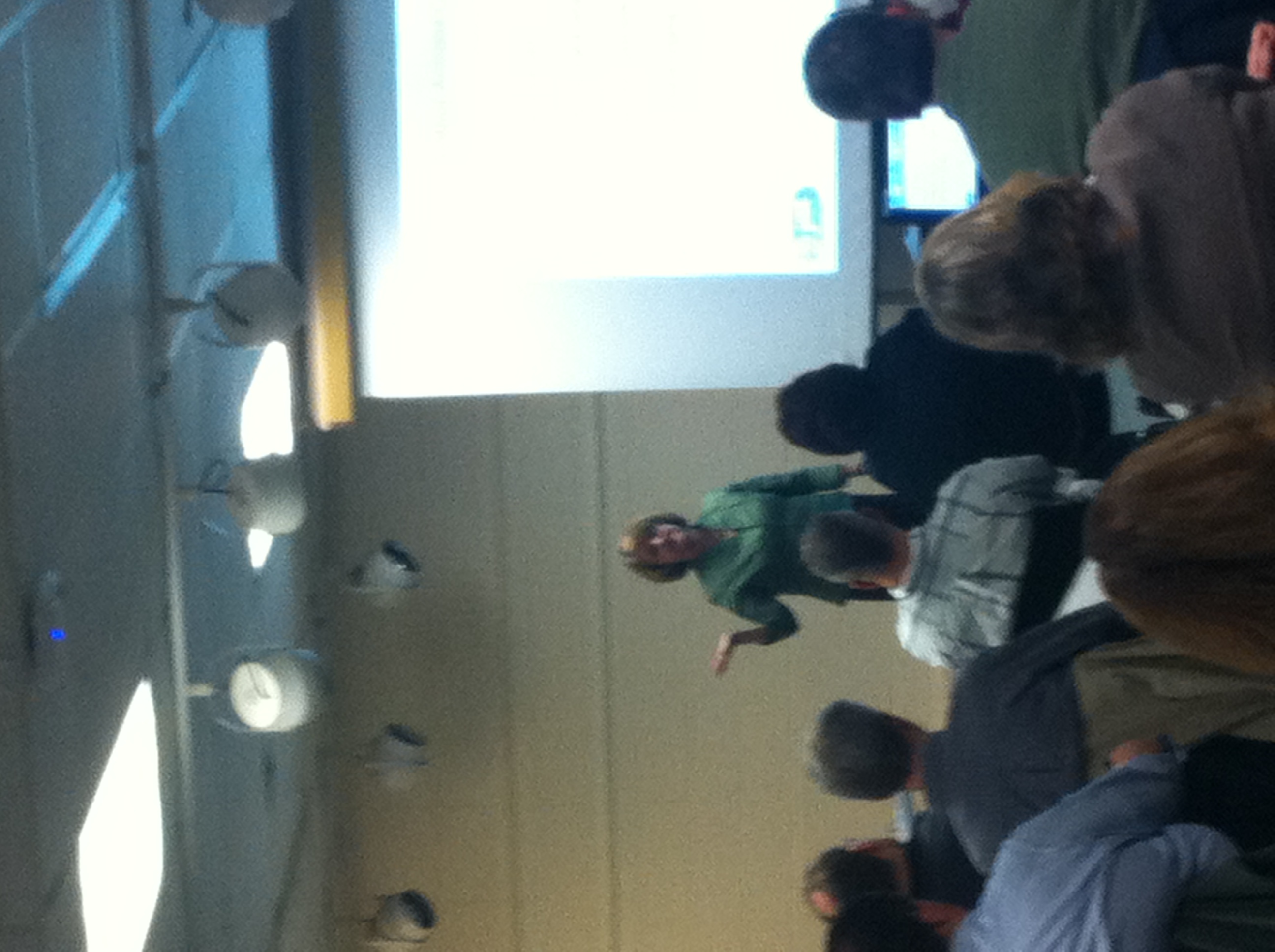
Here I am in the beautiful Crystal Ballroom of the Roanoke Hotel and Conference Center speaking to 170 members of VALA. The theme was “Set Your Goals in the Right Direction” and it was so smart to include how to take care of yourself as you care for others. As I told the group, “You’re really good at helping people at this critical time in their lives when they can no longer live alone. That muscle is a six-pack. It’s strong, but none of us can sustain this effort unless we also care for ourselves.”  We talked about common sources of stress: this is a 24/7 job, it’s highly regulated, there’s a lot of turnover especially with CNAs and other staff, and you’re increasingly dealing with residents with serious medical issues.

One woman told me after my talk, that she had turned her whole life around. She began taking care of her own health, lost a lot of weight, invested in additional education, and starts each day with gratitude. A man I spoke with told me that the government regulations–which according to him make little sense–drive him crazy, but that he’s learned how to accept them and make his facility the best he can.  We covered a wide range of burnout busters–from exercise, to prayer, to trying out a new craft. The key is to make time to use these tools. They won’t do you any good gathering dust in a drawer.

Work is called “work” for a reason–it takes effort and often isn’t easy. But work should also be fun. It’s wonderful to have a team that you’re proud of, to see the difference you’re making in people’s lives, and to invest in yourself so that each day is an adventure. I’d love to hear how you’re using your Burnout Busters!

GOODBYE WINTER!

Yes, it’s time to say goodbye to winter, but as we do, it’s got its beauty, too, doesn’t it? This is a shot from my front yard, looking out over the field and woods, coated in snow. I’m headed to Virginia next week to give a talk on burnout to the Virginia Assisted Living Association where I hope the spring flowers are already in bloom. Here in New England they’re still shivering, but there are buds that once we get a warm day, will burst open.

The change of seasons is always an exciting time–somehow new and surprising even though we’ve been through it many times before. When we recover from burnout, when we can appreciate what’s in front of us, our lives are much more interesting. We can see without judgment, embrace change and focus on what each day brings.

Okay, that’s good, but I’ve got to say, the snow melted. Hooray!

photo (7)

WHEN STUCK, REPHRASE!

Had a great time last night at the Senior Executive Women’s Network in New Haven. My talk was “Presenting Strong Women:  Stand Out Every Time You Talk.” We worked on many presentation skills, but I promised the group that I’d write a blog on how to rephrase difficult questions, since that’s what most of us fear when we get to the Q&A part of our talks.

So, first, with solid eye contact on the questioner, listen for the concept of the question. Don’t let negative language throw you–just listen. Then break eye contact, find another pair of eyes and rephrase the question. This means ask a rhetorical question (one that no one is going to answer) before you answer. In my book “The Essential Job Interview Handbook”, I give extreme examples of this, just to demonstrate how powerful rephrasing is. Here are a few:

  • “Didn’t your former company pay you more than you were worth?” Rephrase:  “How did XYZ determine my compensation?”
  • “How well do you take criticism?” Rephrase:  “How has feedback made me a better manager?”
  • “Why have you worked for so many companies?” Rephrase:  “How did I get such a diverse background?”

What do we notice from these examples? That the rephrase is true to the concept of the question, and that it does an incredible job of taking away the negative words/implications, and in fact makes answering the question easy. After you rephrase, of course you answer the question, and then, look at a different audience member and ask “Any other questions on (repeat your topic)?” This keeps the audience on track.

Yes this is like patting your stomach and rubbing your head, but if you practice in everyday life, you’ll have a powerful tool to help you manage difficult and/or hostile questions. Q&A is where we shine because we’re off script and are interacting with the audience. Make it count!

presentation fear

HOW DOES LEARNING A NEW SKILL MAKE YOU FEEL BETTER?

When I was a teenager and tried to learn how to knit, I became cranky. The directions didn’t make a lot of sense, and before long my wool looked like a tangled rat’s nest. Fast forward many years and guess what? I love to knit. I find it relaxing (when I get past the hard parts), and I have a mentor who helps me with new projects. My latest was learning how to knit socks. Aren’t they beautiful? So in these days when winter seems to be lasting forever, and when you may be suffering from burnout, give yourself the gift of doing something that you thought you could never do. Surprise yourself. And of course get help so that you’re not stuck trying to figure out the directions on your own. I told my mentor recently that, “the directions make a lot of sense if you already know what you’re doing!” This pair is going to my daughter. I’m so proud of my new skill and that of course is a huge affirmation. Who knows what I’ll make next?

photo (6)

Gratitude is good for your brain!

In helping groups stop burnout and get re-energized, I realized that those who practice gratitude are often way ahead of the game. There are obvious reasons–they’re not complaining, they’re proactive, and gratitude is infectious and draws others in. But I’ve read a number of articles recently that indicate that those who are grateful have huge advantages. Here are a few:  less likely to get sick, better citizens, not suffering from burnout, sleep better, and much less likely to be depressed. One author suggests gratitude is a muscle–something you can build and strengthen. So even if you don’t think your brain is going to thank you for this, give it a try. End each day listing at least three things you’re grateful for. Like tulips!Tulips

A QUESTION OF RESPONSIBILITY

handshakeBeing responsible is good, right? We like people who take care of things, do what they say they’re going to do, and so on. We get points for not letting things slip through the cracks. But it’s interesting, in speaking to many people (individuals and audiences) about burnout, that this is a touchy subject. It’s a bit uncomfortable to look at ourselves and ask, “Am I being overly responsible here? Am I owning a problem that really isn’t mine?”

In my role as a career coach, I realized a similar phenomena with loyalty. So many of my clients were incredibly loyal to the companies they worked for, and then were hurt when they were let go. They’d ask me why the loyalty didn’t work both ways–why they were dispensable? And I often told them that there’s smart loyalty–you make a commitment but also take care of yourself–and dumb loyalty–a blind allegiance. So I think the same can be said for responsibility, that it’s a matter of balance, of degree, and that we can liberate ourselves and help prevent burnout by  not being overly responsible. (In my case, this means understanding that there are many things I can’t control–including the weather!)

Another way to look at this is that our strengths often get us into more trouble than our weaknesses. That’s fun to think about! Share your thoughts and together we’ll get smarter.

Winter

One green kayak left

Down at the shore, over-turned,

A gentle snow falls.

Can the holidays contribute to burnout?

Most of us look forward to the holidays, whether focused on religious traditions or on family get togethers. But sometimes the holidays are difficult and can aggravate ongoing symptoms of burnout. If someone close to us is ill or has died, we feel the stress more acutely at this time of year. If we’re struggling with job loss, it hits us harder in these dark, December days. And if we’re frustrated with our lives, the contrast to what we think we should be feeling, can wear us down.

According to Christina Maslach, a leading expert on burnout, “Burnout as lost energy, lost enthusiasm and lost confidence.” Think about that–that’s a lot of loss. So right now, take a moment to think about what brings you joy–what makes you smile. It could be something simple like making cookies you loved as a child, or inviting a neighbor over for tea. My best friend gave me a book of Christmas stories, and my husband is reading them aloud to me. That is the perfect gift–quiet, reflective, healing. Keep your expectations simple. Let go of doing too much. Be present with the people in your life. This won’t stop the chaos that is often part of our holiday celebrations, but this mindset will help you enjoy it. Just before my grand kids arrive I remind myself that this is lovely chaos, and I do my best to let go of a neat house and perfect meals.

Gratitude is one of the most powerful ways to banish burnout, so be on the lookout for ways to practice this. And great news–tonight is the winter solstice, marking the longest night of the year. But guess what? The days will now get longer, inch by inch. Now that makes me smile.

ALL I WANT FOR CHRISTMAS IS A JOB!!!!

Anybody feel this way? If your job search has gone on for a bit, you may be wondering if anyone will ever hire you. In my Boomers Back to Work! Class we talk about obstacles, and there are so many it’s hard to list them, but common ones include:  age, salary, career change, not being up-to-date with technology, and worst of all, wrong strategy. By that I mean not conducting a smart search. So here are some quick tips to help you help Santa get that job in the pipeline (and if you’re not in transition, these are good to know anyway.)

  • Resumes don’t get jobs. They’re an important tool but are frequently overused. Have a good one and provide it when it’s asked for.
  • Create a list of companies where you’d like to work. Don’t get hung up on openings–just list 10-20 places where you think you’d enjoy working. Use this list as a key networking tool and ask your contacts if they’d take a look at it.
  • Have a networking spreadsheet or keep your contact list in a notebook. Follow up is often where the good stuff happens, so be careful not to let possibilities slip through the cracks.
  • Ask for advice. It’s magic as we all love to give advice. This is much more productive than asking for a job.
  • Be creative. Talk to your local reference librarian, reach out to some stretch contacts (maybe the author of a book you like), shadow someone in a job that you don’t know much about.

The crazy thing about looking for work is that it’s unpredictable. A strong lead fizzles out, while a so-so interview turns into an offer. Keep light on your feet, connect with others, search smart and my bet is you’ll be working in the new year.

P.S. For more ideas, see my book, “Eliminated! Now What?”